

Why White Sand is the Go-To Choice for Vase Fillings
2025.11.29
Why White Sand for Vases Makes Practical and Aesthetic Sense
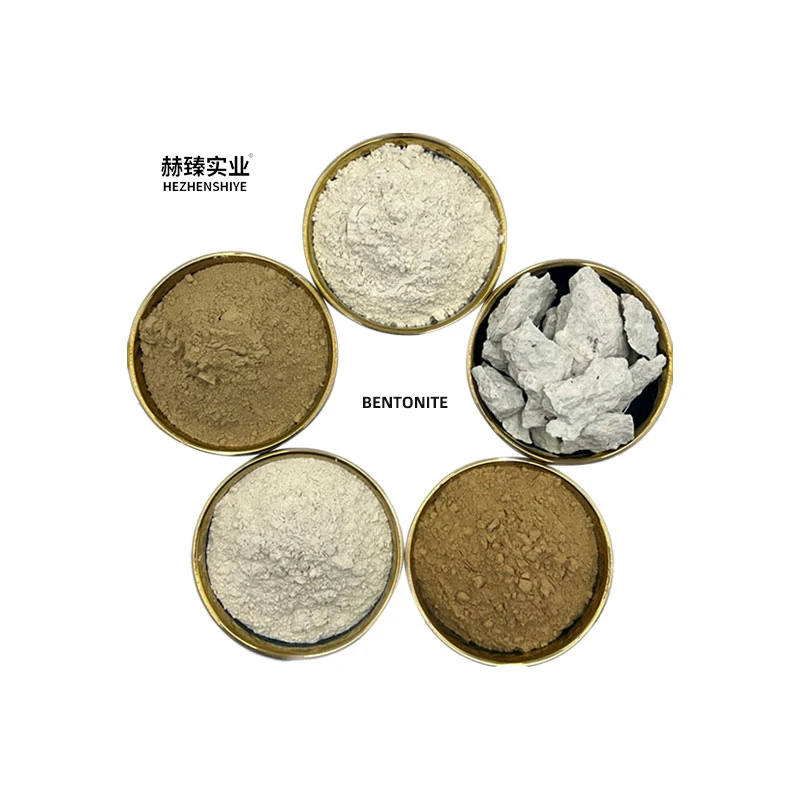
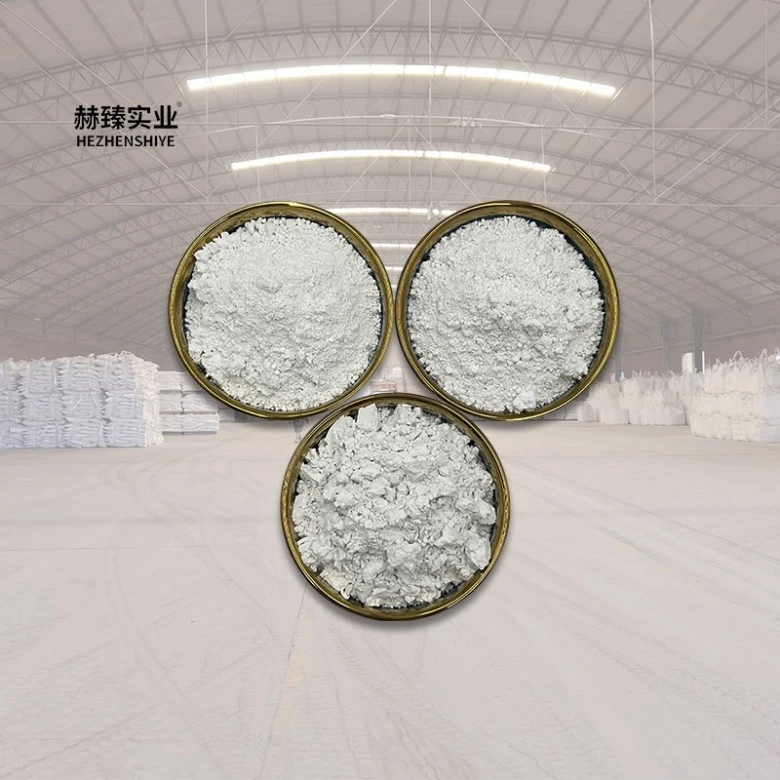
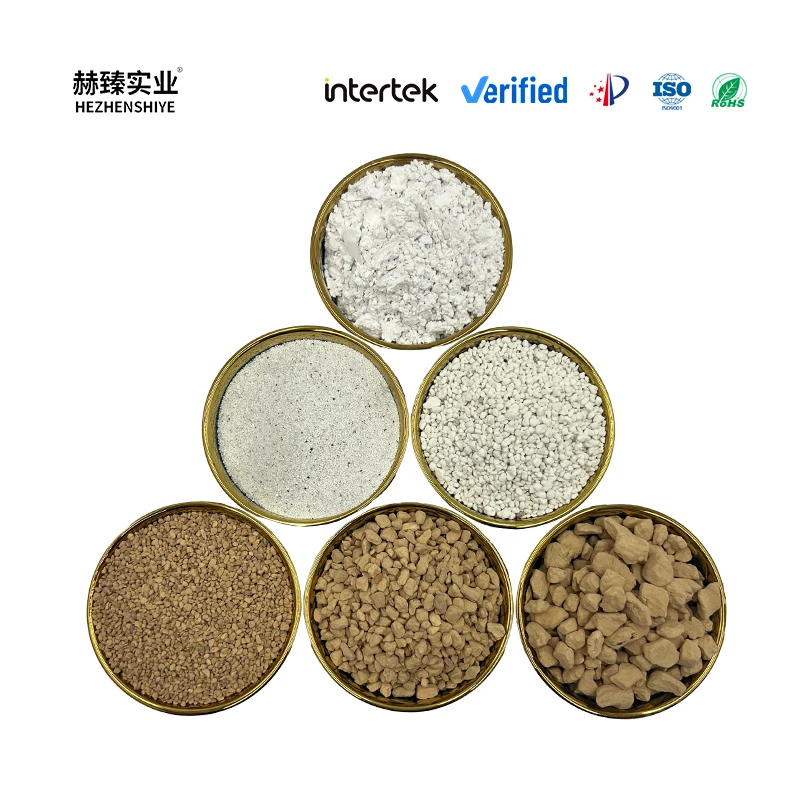
White sand for vases might seem like a niche product at first glance—just sand in a container, right? But having worked in the industrial materials sector for over 15 years, I can tell you it’s a bit more nuanced. White sand isn’t just filler; it’s part science, part style, and oddly enough, a customer conversation starter. Frankly, white sand’s clean, bright look makes it a favorite among floral shops, decorators, and even event planners. When you want to showcase a bouquet without distracting from the flowers themselves, the sand acts almost like a blank canvas. But not all white sands are created equal, and that’s where things get interesting. In real terms, the purity, grain size, and dryness of the sand affect both the look and function. A quick anecdote: I once visited a supplier who tested their white sand under a microscope to ensure consistent granularity. For vases, you want grains fine enough to hold stems in place but not so fine that the sand turns gummy or blocks water flow at the bottom. Apparently, that “tipping point” is something many overlook. If you’re browsing for white sand, you might stumble upon white sand for vases touted for its premium silica content. In my experience, silica proportion above 90% means less contaminant dust and better color retention. That leads to longer shelf-life too – very important if you’re stocking a shop or doing seasonal arrangements.Understanding White Sand Product Specifications
Let’s get down to some specs. It might sound dull, but knowing what you’re buying makes a real difference in industrial and decorative applications. Here’s a typical spec breakdown for white sand suited for vase filling and similar uses:| Specification | Value | Notes |
|---|---|---|
| Silica Content | ≥ 92% | Ensures purity and whiteness |
| Grain Size | 0.3 - 0.8 mm | Ideal for supporting stems |
| Moisture Content | Prevents clumping and mold | |
| Color | Bright White | Visual consistency is key |
| Bulk Density | 1.55 - 1.65 g/cm³ | Affects weight, handling |
Comparing Suppliers: Who Nails the White Sand Game?
In the industrial equipment space, we often hear of dozens of suppliers, but few consistently deliver both quality and value. Here’s a quick peek at three popular white sand vendors — the kind of table I’d have used back when vetting suppliers for floral and decorative clients.| Vendor | Silica Content | Grain Size | Moisture | Price per Ton | Special Notes |
|---|---|---|---|---|---|
| Hezhen Shi Ye | ≥ 92% | 0.3 – 0.8 mm | $150 | Consistent, bright white, reliable supply | |
| Vendor B Corp | 90% | 0.4 – 0.9 mm | 0.8% | $130 | Lower moisture, less pure color |
| SandWorks Ltd. | 88% | 0.2 – 0.7 mm | $145 | Good bulk density, variable color |
Final Thoughts on Choosing White Sand for Vase Uses
So, if you’re sourcing white sand for vases or decorative purposes, it’s worth thinking beyond price tags. What about consistent color? Will the sand hold stems firm without crushing them? And moisture? That’s often the silent killer of decorative sand, causing clumping or mold. I’ve seen how a simple supply change disrupted a client’s entire floral production line — vines slipping, dry petals – all because the sand wasn’t “right.” It’s those little details that stay with you when you’ve been in the trenches. If you want my personal recommendation, check out the range from white sand for vases. They’ve got the specs nailed and a steady supply chain, which simply makes life easier. And, at the end of the day, isn’t that what matters most? Just sand, yes. But better sand.Thanks for sticking around for my two cents. Hope this helps next time you’re eyeing that jar of white grains.
References & Personal Reflections
- Supplier interviews and lab spec sheets – Hezhen Shi Ye, 2023
- Industry trade talk: silica sand variations and standards - Industrial Materials Digest, 2022
- Personal field notes from floral production consulting, 2015–2023