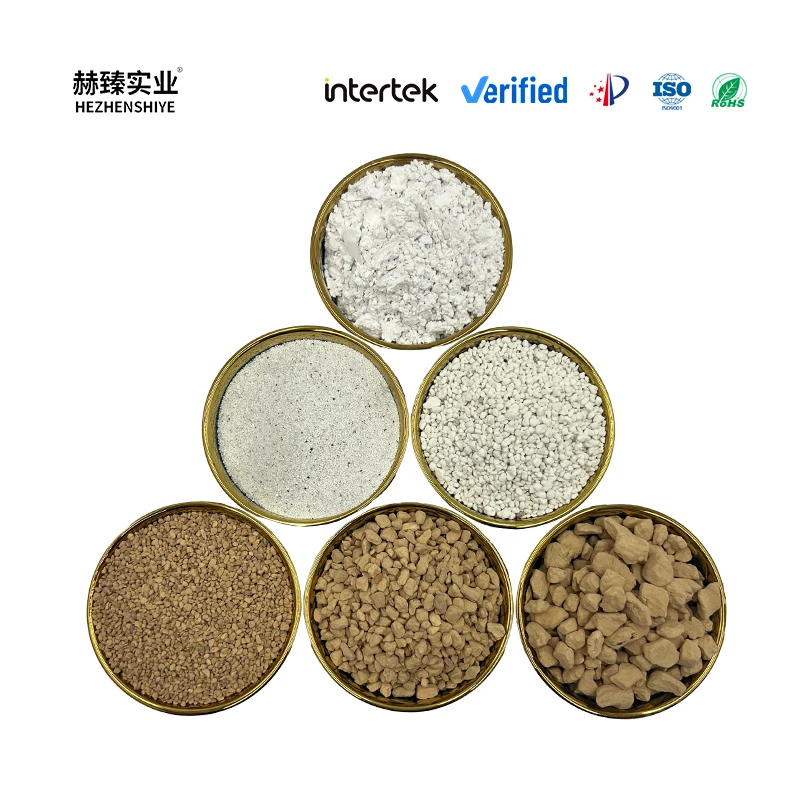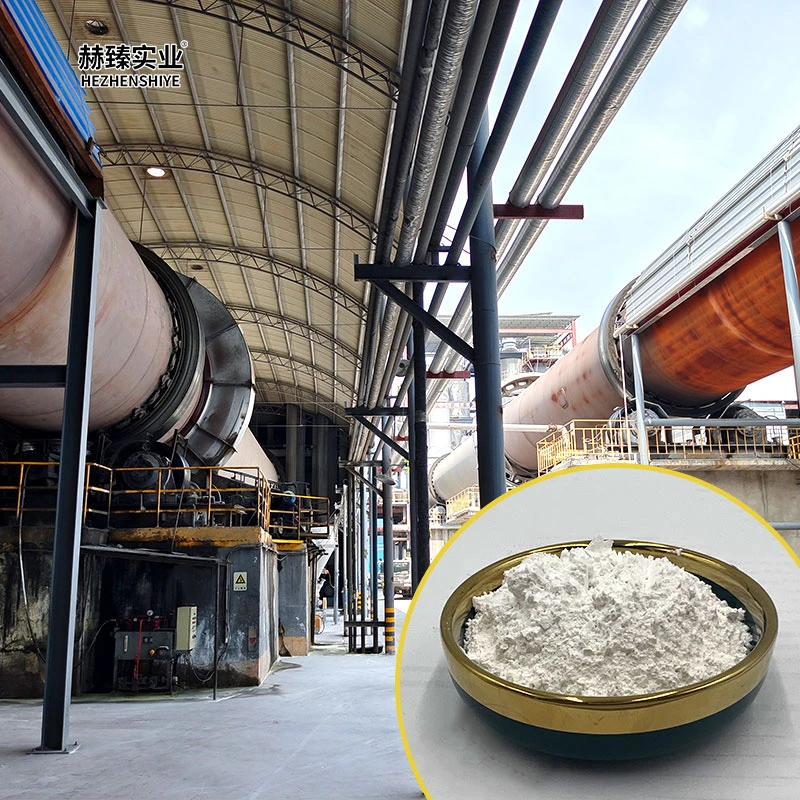


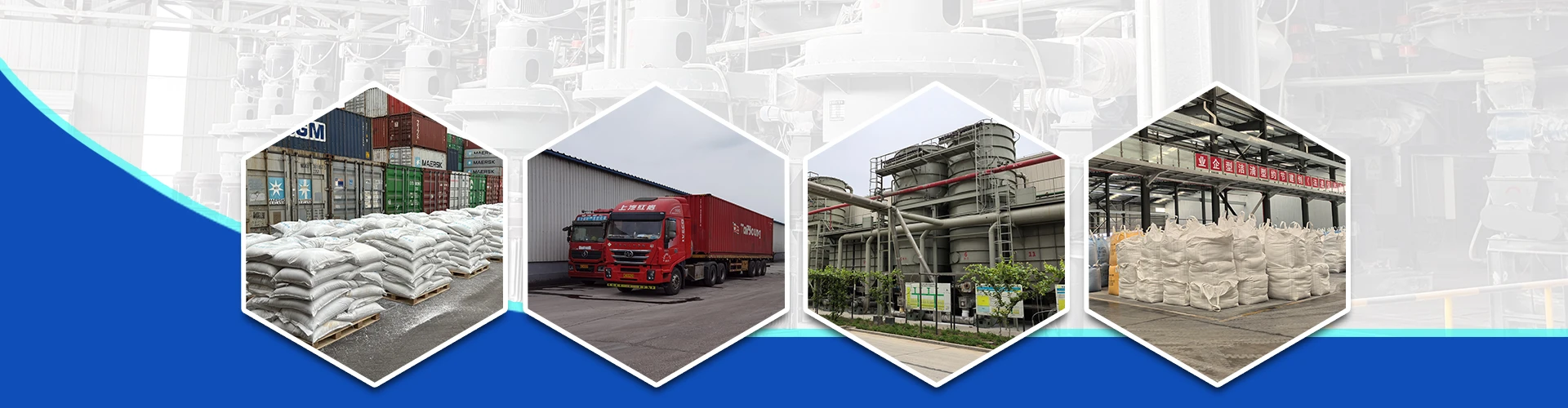
Understanding White Tourmaline Price: What Drives It and Why It Matters
Having spent a fair bit of time around the industrial minerals sector, I’ve noticed white tourmaline is one of those materials that often flies under the radar — if you don’t know what to look for, you might miss just how influential its pricing can be. But let’s be honest, the price isn’t just a number on a board; it’s a reflection of quality, availability, and even market trends that ripple across quite a few industries.
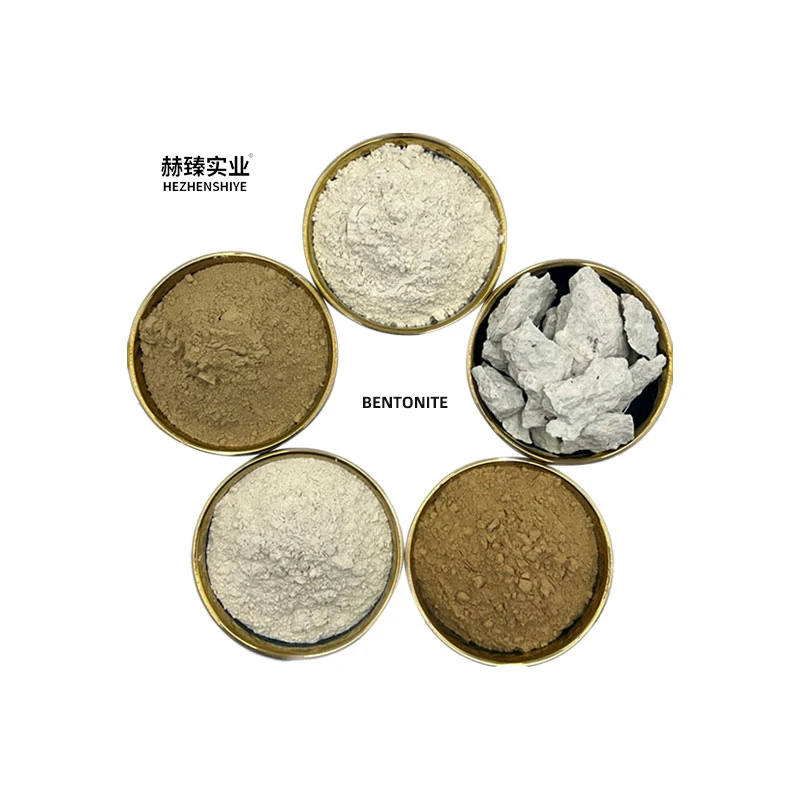
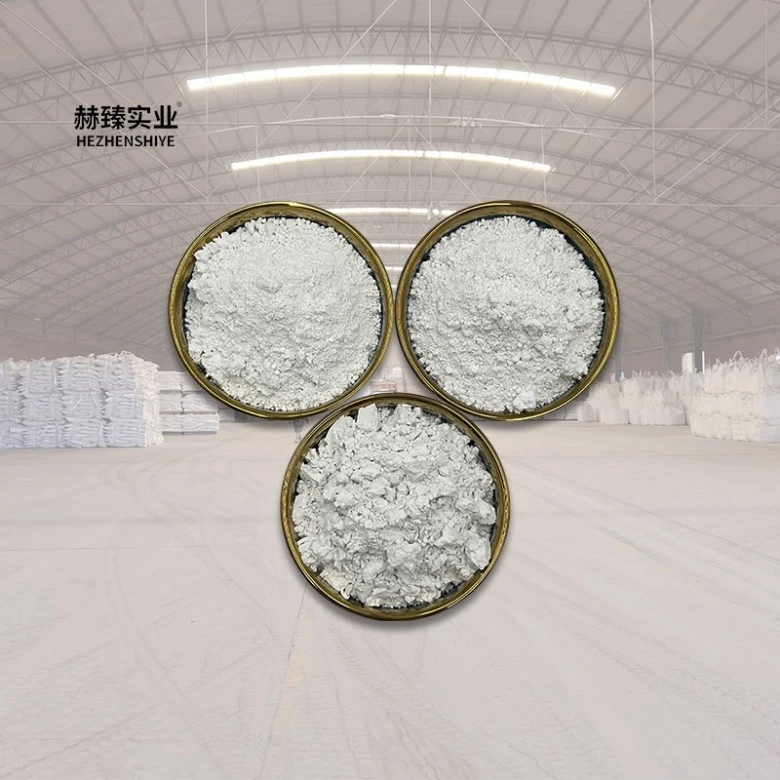
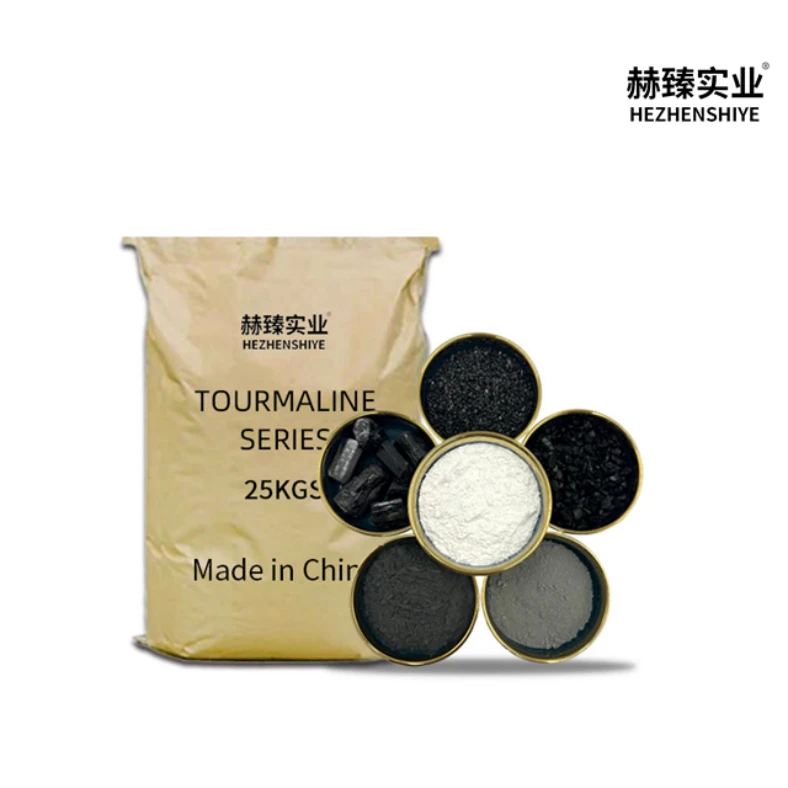
Now, anyone involved in sourcing or specifying minerals for industrial applications will know the white tourmaline price is influenced by a mix of geological factors and processing costs. The purity and size of the crystals impact price tremendously. For instance, lighter and clearer white tourmalines tend to fetch a premium, mainly because they suit more specialized uses — think cosmetics or high-tech ceramics — where impurities can be a dealbreaker.
Oddly enough, I’ve seen some smaller companies try to cut costs by opting for lower-grade stones, and it usually ends with headaches during processing — more rejects, more downtime. So my advice? Pay close attention to the spec sheet.
Key Specifications of White Tourmaline in Industrial Use
| Specification | Value/Range | Comments |
|---|---|---|
| Color | White to translucent | Lightness affects usage in optics and ceramics |
| Crystal Size | 1 – 15 mm (typical) | Larger crystals often more expensive |
| Mohs Hardness | 7 - 7.5 | Good for durability in industrial applications |
| Impurity Levels | Low to moderate | Affects both price and performance |
| Typical Price Range (USD/kg) | 50 – 200 | Varies by purity and supplier reliability |
How Vendor Choice Can Influence the White Tourmaline Price and Supply
One thing I’ve learned the hard way: picking the right vendor can sometimes save you more money than just trying to haggle on price alone. Because honestly, white tourmaline price isn’t static — it’s subject to fluctuations based on extraction location, processing technology, and even geopolitical factors.
To illustrate, here’s a quick glance at how a few vendors stack up in terms of price reliability, quality consistency, and available customization options. These are based on my observations from several trade shows and supplier catalogs.
| Vendor | Price Range (USD/kg) | Quality Consistency | Customization Available | Lead Time |
|---|---|---|---|---|
| Hezhenshiye | $70 - $150 | High | Yes | 2-4 weeks |
| MineralSource Co. | $50 - $130 | Medium | Limited | 3-6 weeks |
| CrystalLine Ltd. | $90 - $200 | Very High | Yes | 1-3 weeks |
Over the years, I’ve encountered quite a few projects where the subtle price differences also signaled shifts in supply chain robustness – something critical when you’re managing inventory for manufacturing runs. One memorable case involved a company whose production halted for nearly a month — all because they underestimated lead times and quality variances from a cheaper vendor. So, the lesson here is: cheaper doesn’t always mean better.
That said, one of the most reassuring elements about working with reputed suppliers like the one at white tourmaline price listings is that quality control is generally rock solid. You get consistent grades, traceability, and often some degree of customization if your application demands it — all that stuff really pays off over the long haul.
Wrapping Up: The Real Value Behind the Numbers
In real terms, tracking the white tourmaline price is less about obsessing over every dollar and more about understanding what that price signifies: how reliable the supply is, what quality you’re getting, and how well the vendor supports your broader operation. A little patience and insight in the buying phase can prevent headaches—and frankly, save money down the line.
So next time you’re evaluating white tourmaline for industrial procurement, look beyond just the figure. Dive into specs, vet your vendor, and keep tabs on market trends — it really makes a difference. And personally, I find that a little extra care in this area often reminds me why I’m still in this field after all these years — because when the materials work, everything else just falls into place...
References & Reflections
- Industry talks and trade journals from 2022–2024.
- Vendor discussions and onsite visits at recent mineral expos.
- Long-term procurement experiences in the industrial mineral sector.