

Understanding Tourmaline Cost: What Industrial Buyers Should Know
2025.12.02
What Affects Tourmaline Cost in Industrial Settings?
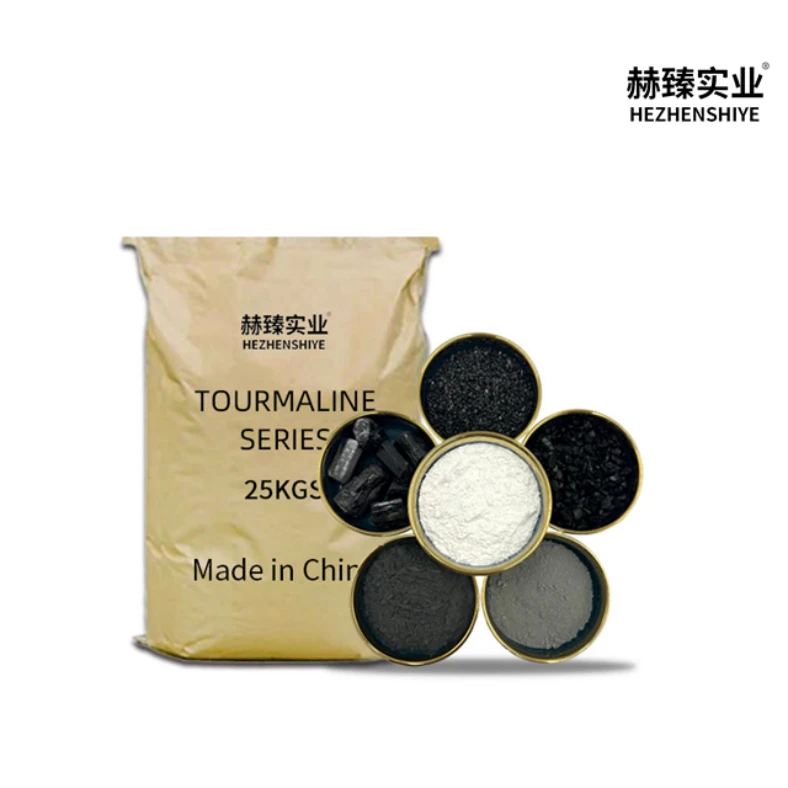
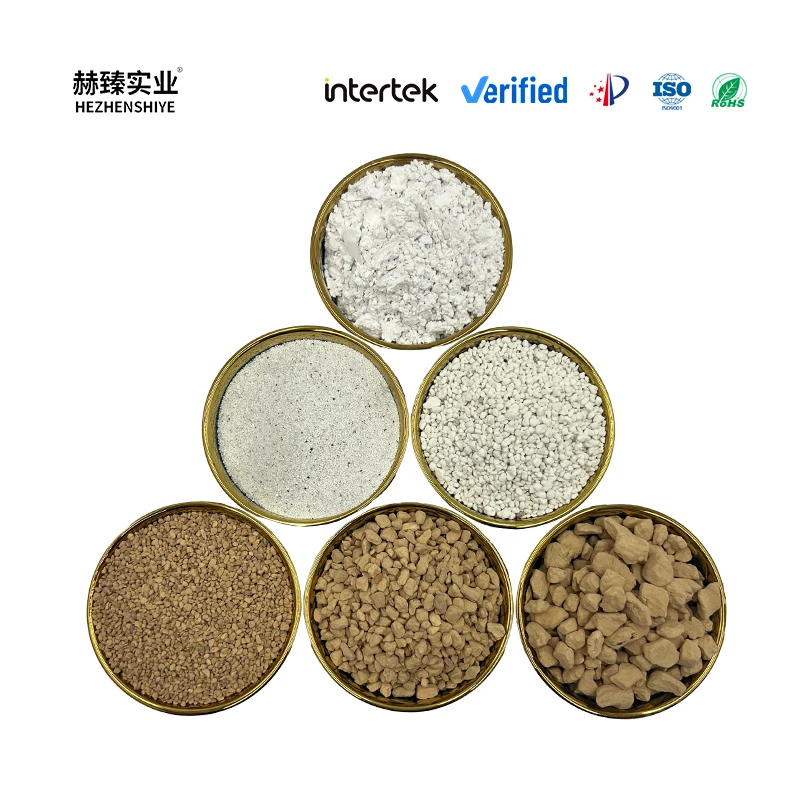
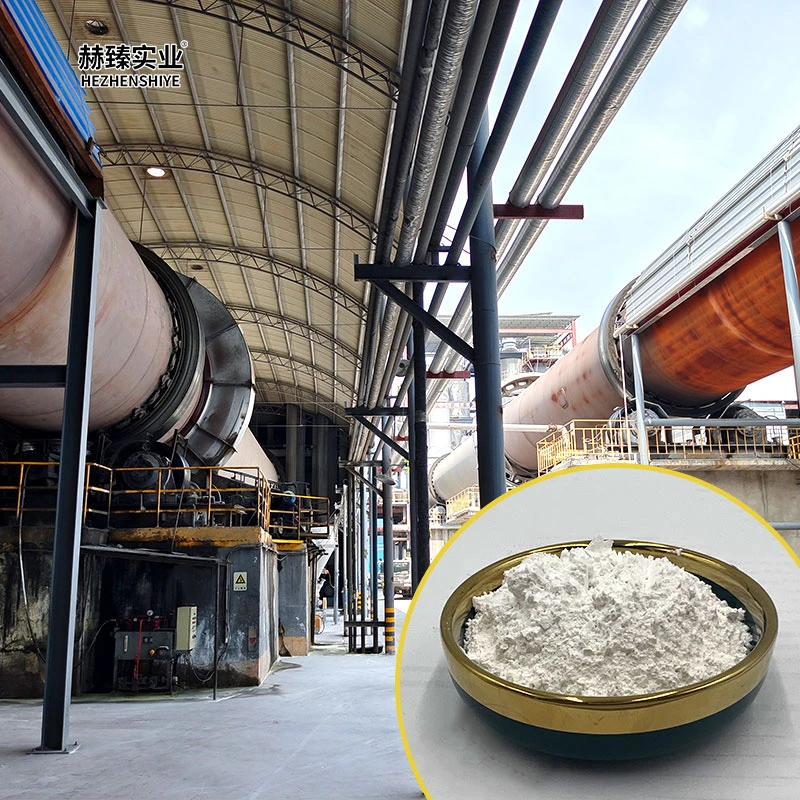
Tourmaline, for many folks in the industrial equipment sector, often pops up as this intriguingly versatile mineral—whether it’s for conveyors, filtration media, or even specialty coatings. But whenever the topic of tourmaline cost comes up, conversations tend to get a bit murky. I remember years ago, when I first dipped my toes into sourcing raw materials, the price fluctuations of tourmaline felt like trying to catch smoke—up one month, down another, sometimes influenced by factors that aren’t obvious at first glance. Fundamentally, tourmaline cost hinges on quality and source geography. Chinese deposits, for example, tend to offer a competitive price point compared to South American or African counterparts. Then again, not all tourmaline is created equal — there's a huge variance in purity, granule size, and crystal structure. And honestly, in our line of work, those details matter vastly because they can make or break your product’s performance.Balancing Material Specs with Cost Efficiency
If you take one thing away from my years shuffling between factories and supplier warehouses, it’s that raw price tags don’t tell the whole story. A slightly pricier batch of tourmaline may actually save you headaches downstream—think fewer issues with wear, more consistent performance in high-stress environments, or compatibility with certain machinery parts. Here’s a quick look at a typical product spec sheet we often request before finalizing any batch purchase. The devil’s in the details, as people say:| Specification | Typical Range | Notes |
|---|---|---|
| Purity | 85% - 95% | Higher purity reduces contamination risks |
| Granule Size | 0.3 – 1.5 mm | Impacts flow and packing density |
| Moisture Content | Lower moisture improves shelf-life | |
| Color | Black to dark green | Aesthetic but sometimes linked to mineral composition |
Comparing the Leading Tourmaline Suppliers
In your search, you’ll find a range of suppliers with contrasting price points and service levels. Here's a quick vendor snapshot I put together, reflecting what I’ve seen in recent years:| Supplier | Country | Average Cost (per ton) | Lead Time | Quality Consistency |
|---|---|---|---|---|
| Hezhen Shiye | China | $1200 - $1400 | 2 - 3 weeks | Very High |
| Mineral Suppliers Ltd. | Brazil | $1600 - $1800 | 4 - 6 weeks | High |
| Africa Mineral Traders | Mozambique | $1300 - $1500 | 3 - 5 weeks | Medium |
Final Thoughts on Tourmaline Cost Management
Balancing cost with quality in industrial materials such as tourmaline is a juggling act. When I look back, the best decisions involved knowing your source well and being willing to invest a bit more upfront to dodge bigger problems later. Plus, working with vendors who can tailor their product specs to your needs rather than offering a one-size-fits-all. If you’re reading this, you probably already feel the same: every ton of tourmaline might look similar, but the story inside the crystal lattice and the mining pit matters. And hey, if you want a good starting point on finding reliable, reasonably priced tourmaline, I’d recommend checking out [Hezhen Shiye](https://www.hezhenshiye.com) — their balance of quality and cost, plus customer care, has impressed me more than a few times. Sometimes, sourcing minerals feels like chasing an ever-moving target, but with careful consideration, you’ll get there.
References & reflections:
1. Personal experience in mineral procurement and industrial equipment maintenance, 2012-2023.
2. Industry supplier data and pricing trends as of early 2024.
3. Conversations with engineers and purchasing managers about raw material impacts.
1. Personal experience in mineral procurement and industrial equipment maintenance, 2012-2023.
2. Industry supplier data and pricing trends as of early 2024.
3. Conversations with engineers and purchasing managers about raw material impacts.