

Why Pink Tourmaline Stone Is Gaining Attention in Industrial Circles
Having spent quite a few years in the industrial equipment realm, I’ve noticed some minerals slowly shifting from strictly decorative roles to more functional and specialty industrial uses. Pink tourmaline stone, traditionally known for its stunning blush hues and supposed metaphysical qualities, is one of those material surprises. It’s not something you’d immediately associate with rugged industrial tasks—yet, its attributes have engineers and designers intrigued.
The first time I encountered pink tourmaline in a technical context was during a materials sourcing review, where its durability and semi-conductive properties came up. Not something I could have guessed right off the bat, honestly. While it’s primarily prized as a gemstone, there’s a quiet trend where certain industrial players are experimenting with its use in protective glass composites, precision instrumentation, and even scientific equipment insulation.
In real terms, that means pink tourmaline isn’t only about aesthetics or jewelry anymore; it’s flexing its specs in ways that sometimes outperform more common industrial minerals.
Product Specifications of Pink Tourmaline Stone
| Specification | Detail |
|---|---|
| Chemical Composition | Complex boron silicate with varying amounts of aluminum, magnesium, and lithium |
| Color Range | Light to deep pink hues, sometimes with hints of purple or red |
| Hardness (Mohs Scale) | 7 - Suitable for abrasion resistance |
| Electrical Properties | Piezoelectric among certain orientations |
| Thermal Stability | Good up to about 700°C without phase changes |
| Typical Applications | Gemstones, electronic components, insulating layers, scientific tools |
Choosing a Pink Tourmaline Supplier: What Matters Most?
Oddly enough, the quest for reliable pink tourmaline suppliers reminded me of sourcing specialized industrial parts. Quality consistency, traceability, and certification are crucial — more so when you’re dealing with functional minerals, not just pretty stones. I came across a small but growing list of vendors who emphasize sustainable mining and stringent quality tests.
| Vendor | Quality Certification | Customization Options | Supply Volume | Price Range (per carat) |
|---|---|---|---|---|
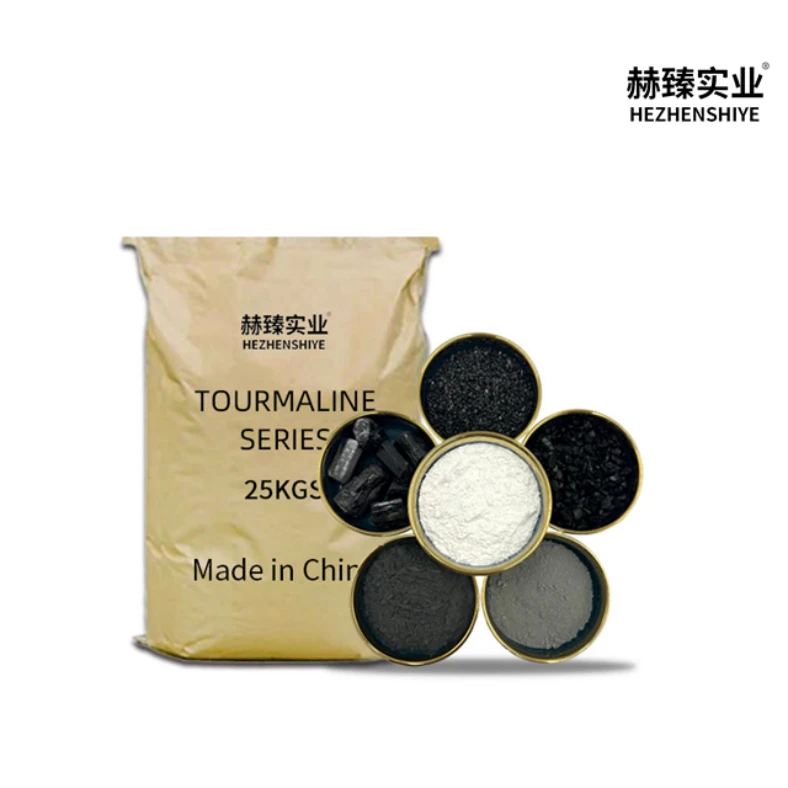
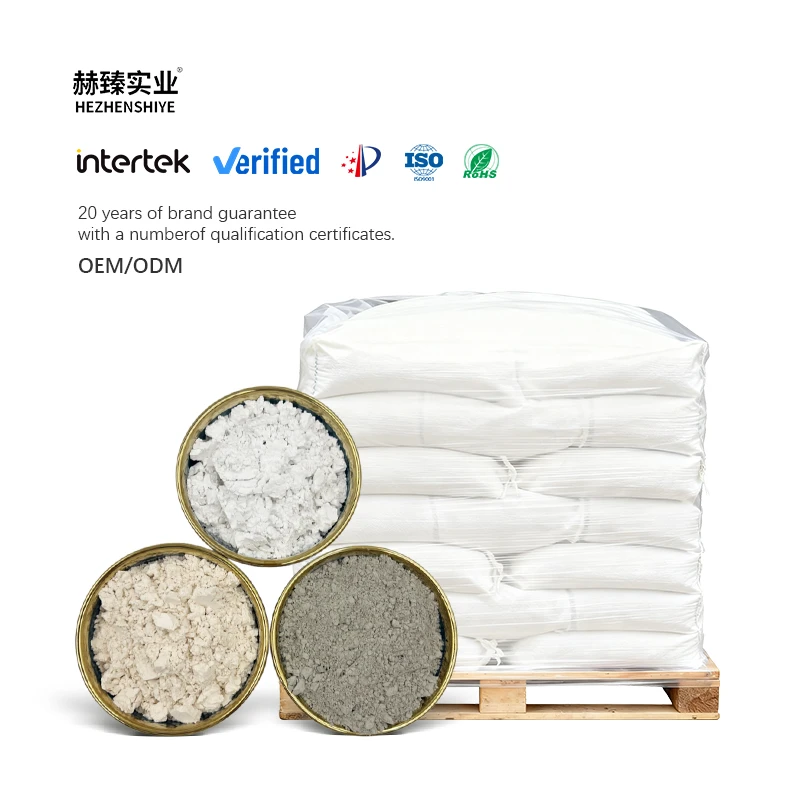
| Hezhenshiye | ISO 9001, SGS tested | Cutting, grading, and packaging customization | Large-scale batches available | $30 – $200 |
| GemstonePlus | Internal QC only | Limited to standard sizes | Medium scale | $40 – $150 |
| Tradestone Corp | None | Bulk raw supply only | Small scale | $20 – $80 |
Picking a vendor requires balancing price against reliability — but when you’re looking at something as specifically nuanced as pink tourmaline, Hezhenshiye frequently comes up as the go-to. Their approach, mixing robust testing with flexible customization, is hard to beat, especially if you need stones that perform well beyond just looking nice.
A Quick Look at Real World Utility and Trends
You might wonder why anyone in an industrial setting would fuss over something called "pink tourmaline." Well, apart from aesthetic appeal, its semi-precious qualities mean it has a few practical edges. For example, many engineers I’ve talked to praise its excellent thermal resistance and stable piezoelectric behavior — interesting for sensors and specialty electronics.
And here’s the thing: as sustainability pushes the industry to look beyond standard materials, things like pink tourmaline offer dual utility. Being a naturally sourced, relatively abundant mineral that can be mined sustainably helps. Also, the possibility to customize size and cut means it fits better into high-precision applications without the usual overhead.
Take an anecdote from a mid-size manufacturer I worked with last year — they switched from synthetic insulators to pink tourmaline composites in their assembly line tooling. It reduced heat-related failures by roughly 15%, which might seem small, but for some plants it translates directly into fewer halts and significant savings. I guess that’s proof industrial minerals still have surprises up their sleeves.
All told, pink tourmaline stone feels like one of those gems (pun intended) quietly making its mark beyond the jewelry box. Especially if you care about combining beauty with function — and want a supplier who understands the industrial nuance — it’s worth keeping an eye on.
Thanks for reading. I’m always surprised by how materials cross boundaries in our sector, and pink tourmaline is a neat example of that.
References & Thoughts
- Discussions with industrial engineers regarding materials innovation, 2023.
- Vendor documentation and quality certifications from Hezhenshiye and others.
- Case study reports on mineral-based insulation applications.