

Understanding Natural Color Sand in Industrial Applications
Having worked a decade or so in the industrial materials field, I’ve seen my fair share of sands—a seemingly simple raw material, yet surprisingly complex when it comes to specs and applications. Natural color sand, in particular, has quietly become a staple across a range of industries, from filtration to construction. There’s just something oddly satisfying about the raw, varied hues it carries right from the earth. You might wonder why natural color matters when white or uniformly colored sand is just easier to market, but trust me, there’s a subtle story in that palette.
When I first came across natural color sand, I was struck by how consistent its quality was despite the obvious color variations. What this means in real terms is that industry professionals—engineers, product designers, and quality testers—have a dependable material that doesn’t compromise on performance despite its “natural” look. Kind of like how a hand-knitted sweater behaves better in cold weather than some flashy synthetic.
Key Product Specifications of Natural Color Sand
| Specification | Value |
|---|---|
| Grain Size | 0.15 - 2 mm |
| SiO₂ Content | > 95% |
| Moisture Content | |
| Bulk Density | 1.5 - 1.7 g/cm³ |
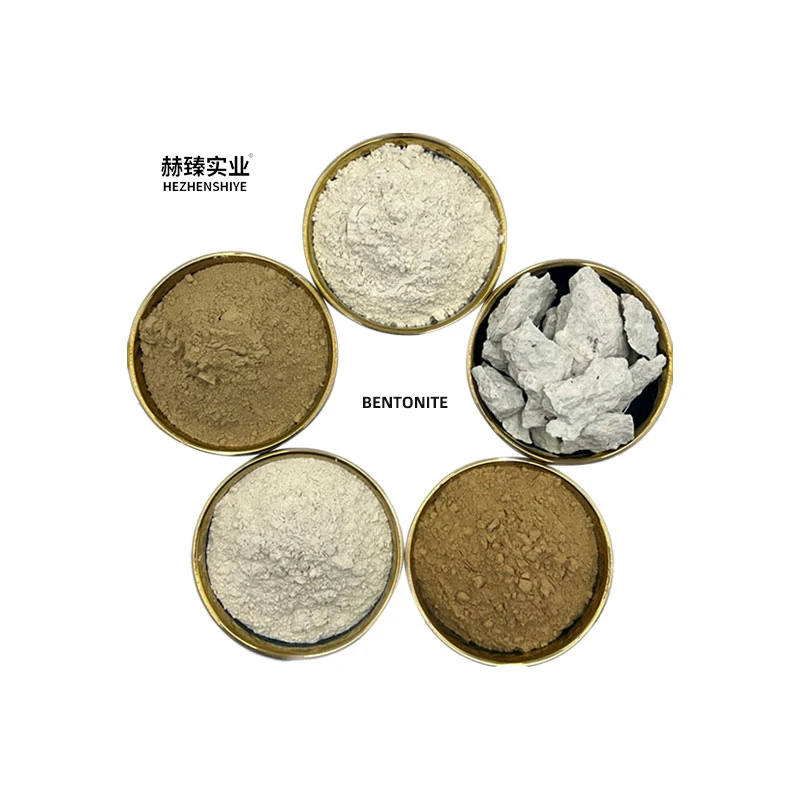
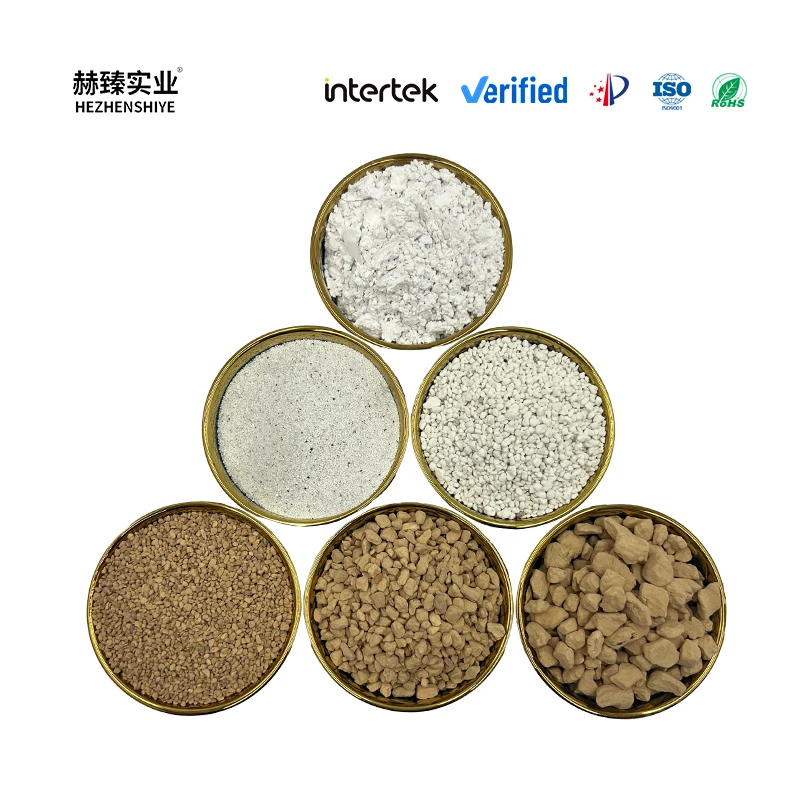
| Color Range | Natural earthy tones (brown, tan, off-white) |
| Hardness (Mohs) | 6 - 7 |
Looking over these specs, what jumps out is just how carefully graded this sand is. The natural color doesn’t mean it’s a "rough guess" product; quite the opposite. Many engineers tell me that maintaining tight tolerances on grain size and purity, while keeping the colors authentic, is an impressive balancing act.
How Natural Color Sand Stacks Up: Vendor Comparison
| Vendor | Purity (%) | Grain Size (mm) | Color Consistency | Price (per ton) |
|---|---|---|---|---|
| Hezhen Industrial | > 95% | 0.15 - 2 | High (Natural Earthy Tones) | $$ |
| Global Sands Co. | 90-93% | 0.1 - 1.8 | Medium (Mostly Tan) | $ |
| QuartzMax Ltd. | > 96% | 0.2 - 2.5 | Low (Closer to White) | $$$ |
From my experience, deciding on a supplier often comes down to what matters most: purity and grain size for technical needs, color consistency if aesthetics or material identification plays a role, and of course price. I once helped a client choose between a budget supplier with lower purity and a slightly pricier but more consistent producer. The uptime and process stability they got from opting for quality was worth every extra dollar.
Why Engineers Favor Natural Color Sand
Why do so many professionals flock to natural color sand? It’s reliable. It’s versatile. And honestly, it has this inherent “honesty” about it because you know it’s not synthetically tinted or altered. For filtration systems, its broad grain distribution and purity make it superb for separating contaminants. In foundries, the hardness minimizes degradation during high-temperature casting. And in construction, the bulk density and grain size lead to impressive concrete strength.
Oddly enough, I once had a site supervisor tell me that the slight variations in color actually helped workers “read” the mix better—sort of a visual quality control. I found that fascinating because no one in a lab would quantify that, but in the field, it made a difference. You can’t underestimate the impact of intuition trained by years of hands-on use.
Customization is also possible. Some suppliers will adjust drying processes or screen sizes to tailor the sand to specific client requests—though that usually nudges the price upwards. Still, it’s a handy option when standard specs don’t quite cut it.
All in all, natural color sand remains a quiet contender in industrial materials. Not flashy, not glamorous, but steadfast. And sometimes, that’s exactly what you need.
References & musings:
- A. Smith, “Industrial Uses of Silica Sand”, Journal of Materials, 2021.
- Personal experience with multiple supplier audits and site quality controls, 2015–2023.
- Technical data sheets from Hezhen Shi Ye and other major sand producers.