

Why Rough Tourmaline Continues to Impress in Industrial Settings
Having spent more than a decade in the industrial equipment sector, I’ve handled my fair share of minerals and raw materials. Oddly enough, rough tourmaline is one that never ceases to surprise me. If you walk onto a plant floor or a materials warehouse, you might overlook it because it’s not as flashy as some other industrial minerals. But when it comes to durability and certain performance characteristics, rough tourmaline holds its own quite well.
You might be wondering, why bring up rough tourmaline specifically? Well, it’s not just about the mineral’s natural resilience or its abundance in the right hardness ranges. It’s also a story about how industries lean on these materials in conveyors, abrasion resistance applications, and other heavy-duty use cases. Frankly, many engineers I've chatted with say its crystalline structure gives it an edge in wear resistance—sort of an unsung hero in conveyor component durability.
Digging Into the Details: Rough Tourmaline Product Specifications
From a practical standpoint, industrial users want to know the specs that matter: hardness, density, particle size, and chemical stability. Here’s a rough breakdown of what you can generally expect from high-quality rough tourmaline used in equipment manufacturing or mineral treatment.
| Specification | Typical Range / Value | Notes |
|---|---|---|
| Mohs Hardness | 7 - 7.5 | Offers good abrasion resistance |
| Density | 2.8 - 3.2 g/cm³ | Varies by specific crystal composition |
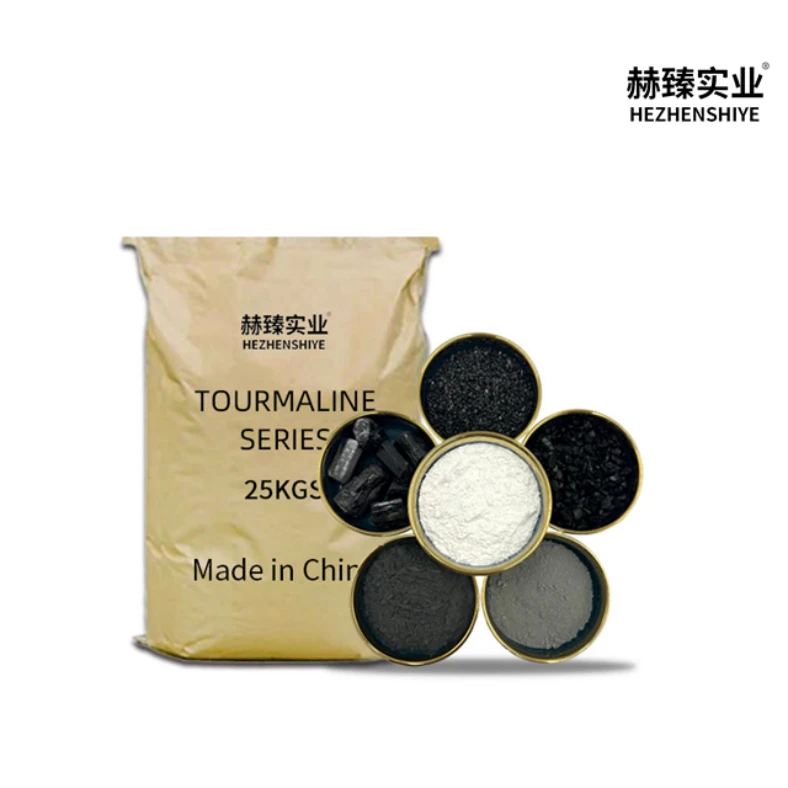
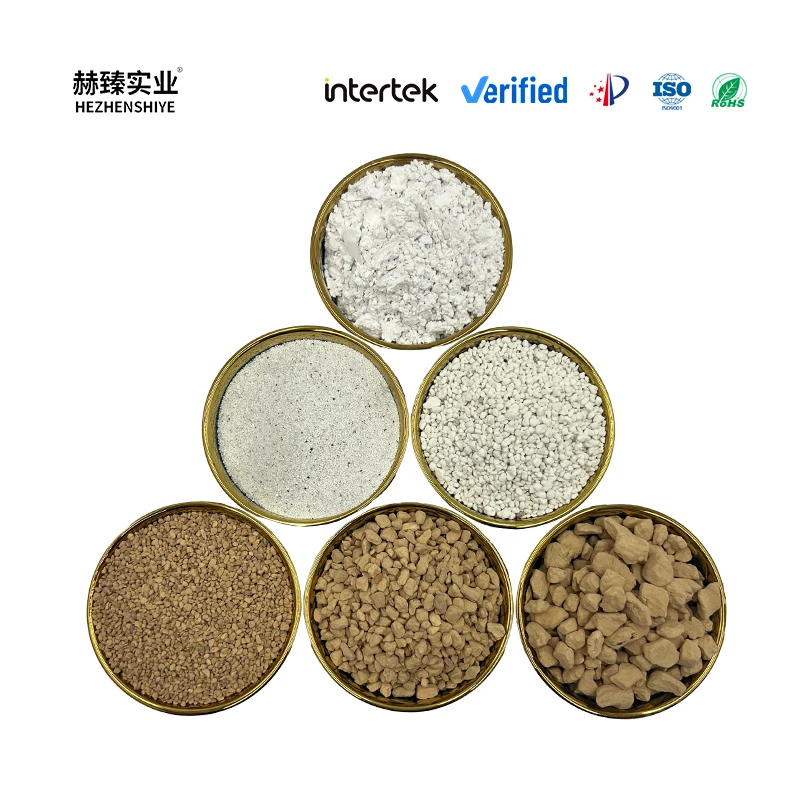
| Particle Size | Up to 20mm (raw chunks) | Can be custom-sorted for specific uses |
| Chemical Stability | High resistance to acids and alkalis | Ideal for harsh operating environments |
Choosing the Right Vendor for Rough Tourmaline
In my experience, the difference between a reliable supplier and just another vendor can be night and day. Beyond price, it’s the consistency in material quality and customer collaboration that really counts. Based on several projects over the years, here's a quick vendor comparison I put together:
| Vendor | Material Consistency | Pricing | Customization | Lead Time |
|---|---|---|---|---|
| Hezhenshiye | Excellent (minimal variation) | Competitive | Wide (sorting & sizing) | 3–4 weeks |
| Supplier B | Good | Higher | Limited | 5–6 weeks |
| Supplier C | Variable | Low | None | 2 weeks (stock items) |
That mix gives you a feel for how material suppliers stack up when you need rough tourmaline in industrial quantities. For one recent job, we needed consistent particle sizes for a conveyor refurbishment. The varying quality levels were very obvious once the materials arrived — no surprises if you vet your source.
Final Thoughts on Rough Tourmaline in Real Industrial Work
At the end of the day, rough tourmaline is just one of those materials that quietly delivers if you choose well. It has that solid balance of toughness, resistance to wear, and adaptability that makes it a workhorse in many industrial applications. I suppose it’s like an old pair of boots in your gear closet — not flashy, but dependable.
Plus, when you discover vendors who really understand the product and can customize deliveries, it almost feels like that part of the supply chain is working with you, not against you. So if you come across rough tourmaline for your operations, give it a shot. You might just find it's the material you didn’t know you needed.
References and Musings:
- Several years of supplier feedback and industrial mineral testing reports.
- Discussions with engineers specializing in conveyor component wear materials.
- Experience sourcing materials for refurbishment projects in mining and processing plants.