


Why Blue Tourmaline Matters for Industrial Equipment
When I first came across blue tourmaline in the context of industrial gear, I admit, it was a bit unexpected. Usually, you hear about the typical tough minerals like corundum, quartz, or even some synthetic ceramics. But blue tourmaline? It’s this unique blend of hardness, electrical properties, and appealing crystal structure that’s got a quiet foothold in certain niche equipment.
Oddly enough, many engineers overlook the subtle advantages of blue tourmaline’s piezoelectric qualities. Devices that rely on precision sensing sometimes benefit from these crystals embedded within components, offering durability while maintaining sensitive detection. It might sound like a side note, but in real terms, this means longer-lasting sensors or actuators that don’t degrade as fast under harsh conditions.
Blue Tourmaline Product Specifications You Should Know
In the rough-and-tumble of industrial manufacturing, specs aren’t just numbers—they're guarantees. I’ve seen how a tiny deviation in crystal purity affects performance downstream. Here’s a practical rundown of common blue tourmaline specs found in industrial-grade batches:
| Specification | Value / Range | Notes |
|---|---|---|
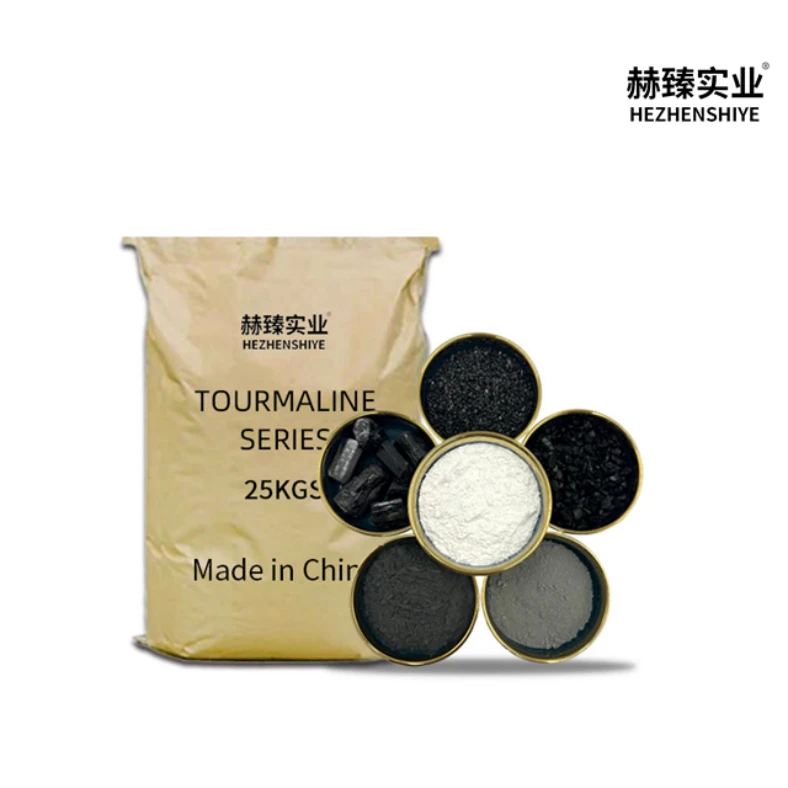
| Color | Deep blue to light blue | Color uniformity often indicates purity |
| Hardness (Mohs scale) | 7–7.5 | Hard enough for industrial wear resistance |
| Piezoelectric coefficient (d33) | ~2.0–4.0 pC/N | Useful for sensors and actuators |
| Thermal stability | Up to 400°C | Suitable for moderately high-temp environments |
| Crystal form | Trigonal | Regularity affects device integration ease |
Now, I know suppliers often tout "superior purity" or "optimal conductivity" — and in many cases, it's marketing. But from my experience, when you dig deep into lab testing results that include crystallography and electrical behavior, the differences are real. I recall a client in conveyor equipment manufacturing who upgraded their sensing layers from generic quartz to blue tourmaline composites. The result? Noticeable jump in sensor life spanning over six months longer in some cases — and downtime reduction that frankly saved them tens of thousands in maintenance costs.
Comparing Blue Tourmaline Vendors for Industrial Use
Picking the right vendor is half the battle. In the industrial equipment world, trustworthiness, material consistency, and support channels tip the scale big time. Here’s a quick look at how a few notable vendors measure up on key criteria relevant to blue tourmaline supply:
| Vendor | Material Purity | Certification | Customization Options | Lead Time | Price Range |
|---|---|---|---|---|---|
| He Zhen Shi Ye | >99.5% | ISO 9001, CE | Cutting, shaping, purity grades | 2–4 weeks | $$$ (mid-tier) |
| MineralPro Ltd. | ~98.7% | ISO 14001 | Standard sizes only | 3–5 weeks | $$ (lower) |
| CrystalTech Corp. | >99.8% | ISO 9001, RoHS | Bespoke orders & purity testing | 4–6 weeks | $$$$ (premium) |
Choosing blue tourmaline vendors sometimes boils down to the balance between quality, price, and turnaround. For heavy industrial lines where downtime damages profits, a few extra bucks for a reliable supplier like He Zhen Shi Ye can really pay off. Meanwhile, applications with looser tolerance might settle on a cheaper alternative. Personally, I always recommend testing small batches before full commitment—feels like the best way to avoid nasty surprises.
Final Thoughts: The Blue Tourmaline Edge in Industry
To me, blue tourmaline carries this interesting middle ground — it’s not your everyday mineral hammer, but not an exotic crystal reserved for lab tech either. Instead, it’s a dependable piece in the industrial puzzle where electrical properties and physical toughness intersect. It’s fascinating how something often associated with gemstones can find a home in conveyor belt sensors, actuators, and specialized wear parts.
There's always more to learn — every batch feels a little different, testing every assumption after years on the floor. If your line hasn’t tapped into this mineral yet, maybe it’s time for a fresh look. The specs are solid, vendors are getting better, and frankly, it might save you a headache or two.
References & musings:
- Technical reports on piezoelectric minerals in industrial devices, 2022.
- Field notes from conveyor equipment upgrades, Industrial Monthly, 2023.
- Vendor certification summaries and product testing documents, He Zhen Shi Ye, 2024.